Home / Blog / Fibre & Fabric Trends 2026
Fibre & Fabric · 1 August 2026
Fibre & Fabric Trends 2026: Bamboo, Lyocell and the New GSM Baseline
Three shifts we've been tracking on the fibre and fabric side, with the data behind them — worth a few minutes if you're reviewing specs this season and thinking about how to position for changing demand.
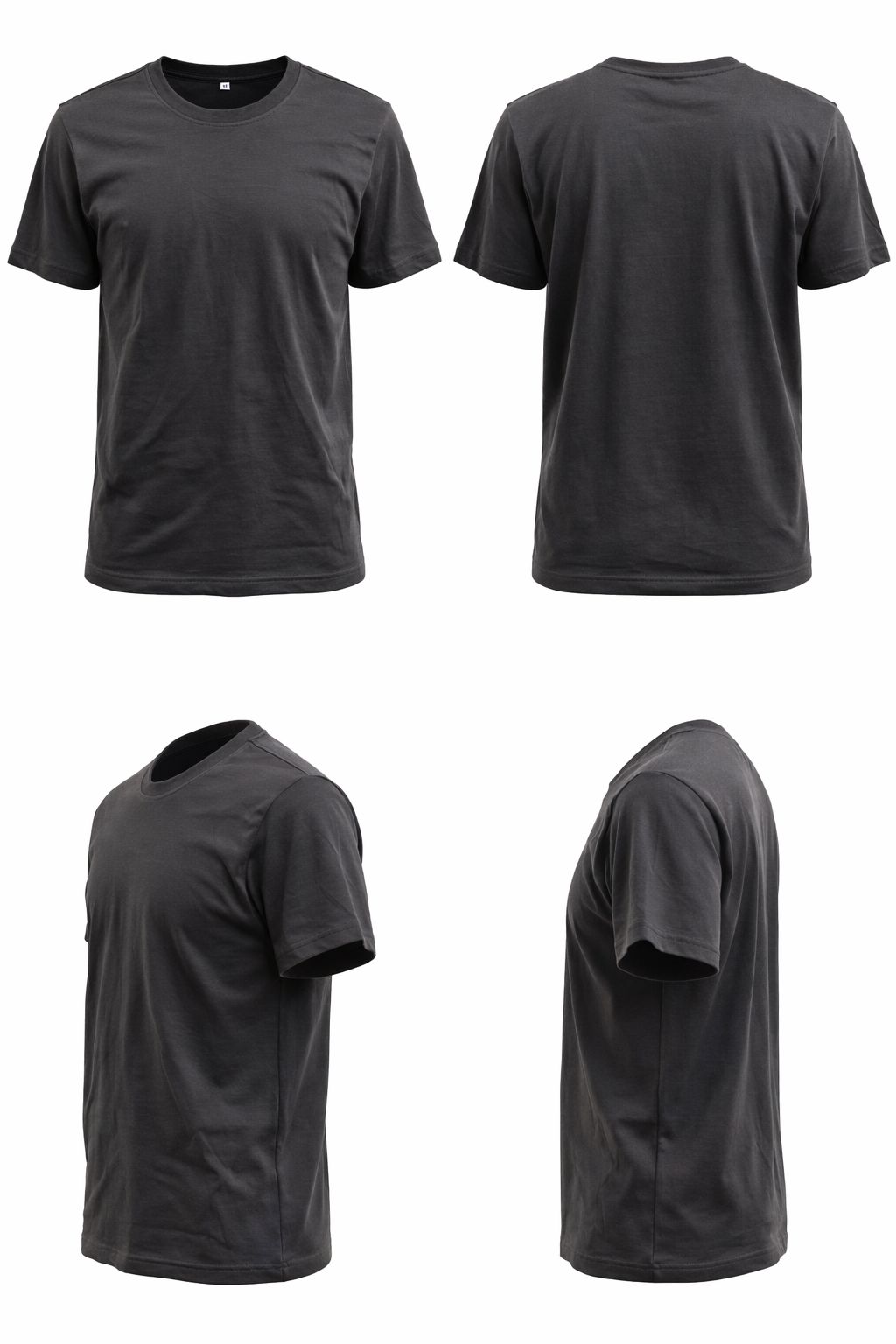
The question underneath all of this is a strategic one: are you still running mass-market factory filler programmes, or are you developing your own niche in light of where the trends are already heading? None of what follows is a pitch — just three things we've been watching, and the evidence for each.
01 · Bamboo beats cotton on comfort — lab-tested, not marketed
A 2024 study in the Egyptian Journal of Chemistry tested 100% cotton, a 70% bamboo / 30% cotton blend, and 100% bamboo — same yarn count, same knitting machine, only the fibre changed. Across every comfort measure the ranking held: bamboo highest, the bamboo-cotton blend second, cotton last — for air permeability, moisture-vapour permeability, thermal conductivity, and wicking speed, with results holding across both machine gauges tested.
The reason is structural, not marketing: bamboo fibre has a hollow cross-section, so it physically holds and moves more moisture than a solid cotton fibre can. The researchers' own conclusion was that bamboo and bamboo-cotton blends are better suited to underwear construction than pure cotton, on comfort performance alone. It's the same logic behind our rayon-from-bamboo range.
Source: Shawky, Morsy & Darwish, "Evaluation of Underwear Bamboo/Cotton Knitted Fabrics Comfortability," Egyptian Journal of Chemistry, 2024 — full study on ResearchGate.
02 · Lyocell-cotton blends are showing up in more briefs
Lyocell (a Tencel-type fibre) is produced through a closed-loop process from certified wood pulp, and industry trend coverage is currently naming it one of the most commercially significant fabric shifts underway. The appeal is softness and moisture control alongside biodegradability — which matters if any part of your range needs to clear EU eco-labelling.
Source: Global Textile Times, "Fabric Innovation 2026 and Fashion Trends Shaping Materials" — read more.
03 · 240 GSM isn't the premium outlier anymore — it's the baseline
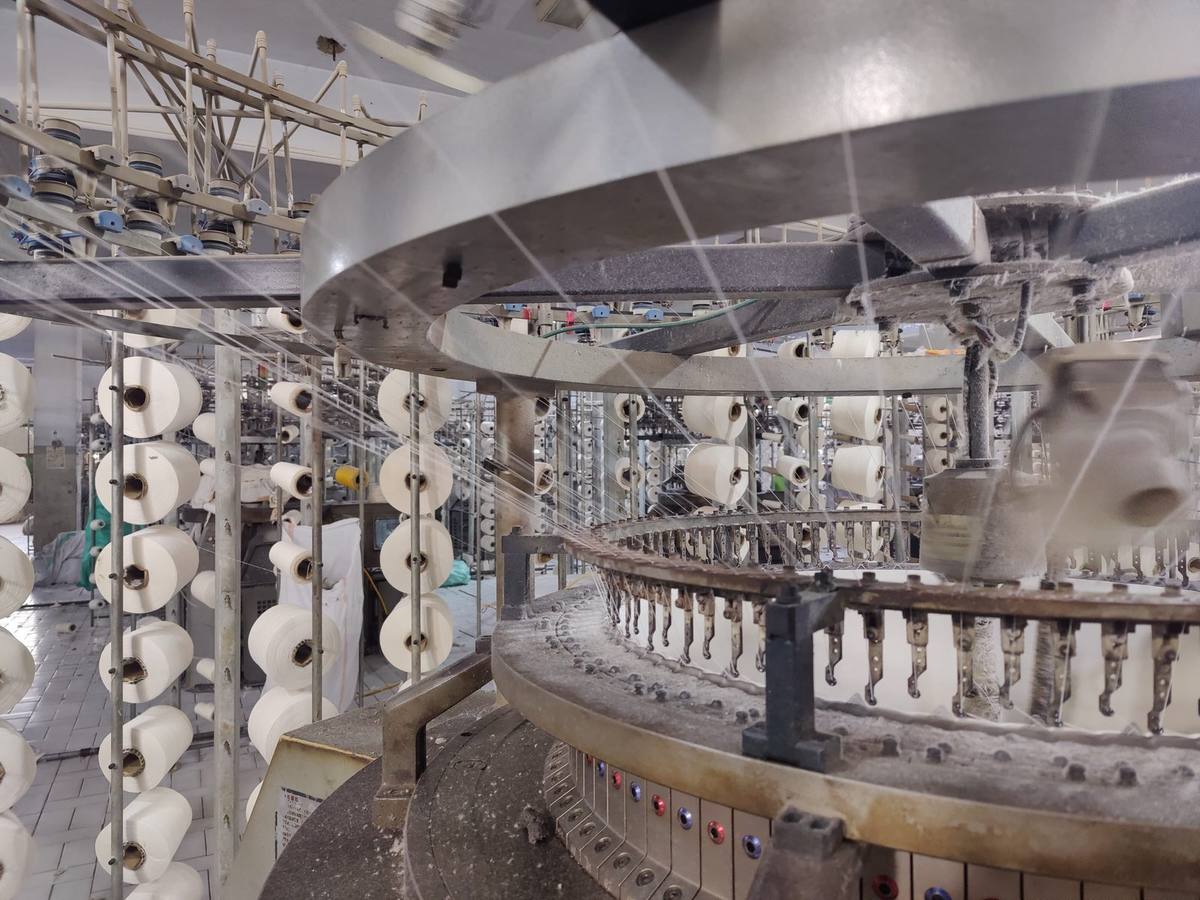
What's consistent across sourcing guides is the spec shift itself: 240 GSM has moved from "ultra-premium" to the expected default for a serious tee programme, and 240–280 GSM is where most current briefs are landing for structure and drape. For hoodies, that range typically runs heavier again, up toward 300–430 GSM depending on the weight you're after. If you're weighing options, our guide on how to choose the right GSM for knitted T-shirts walks through it in detail.
Sources: The Apparel Factory, "180 GSM vs. 240 GSM" — link · Sigmanova, "Complete GSM Guide for T-Shirts" — link.
Worth knowing as you position your brand to capture rising demand in these niches.
Frequently asked questions
Is bamboo really more comfortable than cotton?
In controlled testing where only the fibre changed, bamboo ranked highest on air permeability, moisture-vapour permeability, thermal conductivity and wicking speed — with a bamboo-cotton blend second and pure cotton last. The advantage is structural: bamboo fibre's hollow cross-section holds and moves more moisture than a solid cotton fibre.
What is lyocell, and why does it matter for eco-labelling?
Lyocell is a Tencel-type fibre made through a closed-loop process from certified wood pulp. Its draw is softness and moisture control alongside biodegradability, which helps if part of your range needs to clear EU eco-labelling.
What GSM should I choose for a T-shirt programme?
240 GSM is now the expected default for a serious tee programme, with 240–280 GSM covering most current briefs for structure and drape. Hoodies typically run heavier, up toward 300–430 GSM. See our GSM guide for how to match weight to your market and price point.
What is your minimum order quantity?
Because we knit fabric fresh to order, our minimum is set by fabric weight — 200 kg per colour. At roughly 180 GSM that typically yields around 800–1,000 tees, comfortably covering a full size range in one colour. Ask us for a quote with your spec.
If you're looking to build or develop a knit apparel product line, we're happy to talk through construction, fibre, or MOQ specifics — TTI Knitwear is the garments division of Tulip Towel Industries Pvt Ltd, manufacturing to your spec in Karachi, Pakistan.
← Back to all postsReady to spec your range?
Tell us your fibre, weight and sizes and we'll knit a sample and send a quote.
Request Samples Request a Quote