
How to Choose the Right GSM for Knitted T-Shirts
GSM — grams per square metre — is the single most useful number for describing the weight of a knitted fabric. For T-shirts it largely determines how the garment feels, drapes, lasts and prices. Getting it right at the spec stage saves costly surprises later. The same principle applies to hoodies and other fleece garments, though the typical weight ranges differ.
What GSM actually measures
GSM is the weight of one square metre of fabric. A higher GSM means more yarn per area, so a heavier, more opaque and more durable fabric. A lower GSM gives a lighter, softer, more breathable tee. It is not a measure of quality on its own — a well-made 150 GSM tee can outperform a poorly made 200 GSM one — but it is the clearest way to communicate the fabric you want.
Typical GSM ranges for T-shirts
| Weight range | Feel | Best for |
|---|---|---|
| 120–150 GSM Lightweight | Soft, breathable, more see-through | Summer tees and fashion fits; shorter lifespan |
| 160–185 GSM Mid-weight | Balanced feel, opacity and durability | Everyday and retail tees — the most popular range |
| 190–220 GSM Heavyweight | Substantial hand-feel, structured | Streetwear and premium price points |
(Fabric GSM is measured by weighing a fixed sample area, per ASTM D3776, the standard test method for mass per unit area of knit and woven fabrics)
How to choose the right weight
Start with your market and climate: hot-weather and value ranges lean lighter, while premium and cooler-climate ranges lean heavier. Then consider print and durability — heavier fabric holds prints and repeated washing better. Finally, balance cost: heavier fabric uses more yarn, so it costs more per piece. For most retail and private-label programmes, a 180 GSM single jersey is a safe, versatile starting point.
How GSM relates to your order quantity
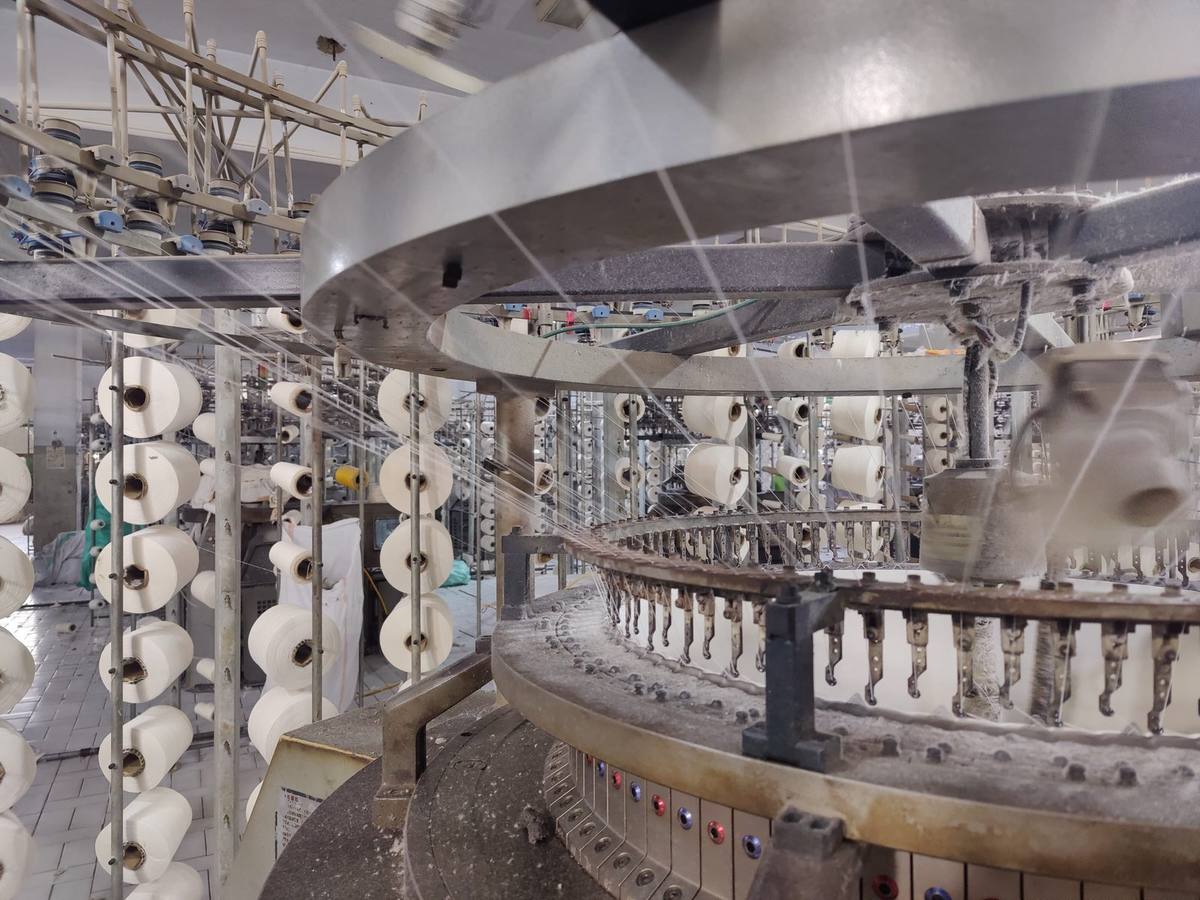
Because we knit fabric fresh to order, our minimum is set by fabric weight — 200 kg per colour. At roughly 180 GSM, that 200 kg typically yields around 800–1,000 tees, comfortably covering a full size range in one colour. Choosing a heavier GSM means fewer pieces from the same 200 kg, so weight and piece count are always linked.
Not sure which to pick?
Send us your target market and price point and we'll recommend a GSM and knit a sample so you can feel it before committing to production. Every order is made to your spec — your fibre, weight, sizes, packing and trims.
Frequently asked questions
What GSM is best for T-shirts?
For most retail and private-label tees, 160-185 GSM single jersey is the sweet spot - a good balance of feel, opacity and durability. Lightweight summer tees use 120-150 GSM; premium and streetwear tees use 190-220 GSM.
Does a higher GSM mean better quality?
Not on its own. GSM measures fabric weight, not quality. A well-knitted 150 GSM tee can outlast a poorly made 200 GSM one - yarn, knitting and finishing matter as much as weight.
What GSM does TTI Knitwear offer?
We knit fabric fresh to order, so you choose the GSM. We commonly produce 140-220 GSM single jersey for T-shirts and can knit a sample at your target weight before production. Minimum order is 200 kg per colour.
Related reading
- Boxer Shorts Manufacturing: A Buyer's Guide to Sourcing from Pakistan — fabric weight and construction choices apply here too
- Heimtextil 2026: TTI Knitwear at the World's Leading Textile Fair — where we showed our knit apparel range